

World Environment Day 2025: Copper — The Silent Enabler of a Sustainable Future
Every year, World Environment Day, celebrated on June 5, serves as a powerful reminder of our collective responsibility to protect the planet we call home.

In 2025, as the world accelerates toward cleaner energy, smarter cities, and greener lifestyles, it is time we spotlight a silent enabler of this transformation. A metal which has stood the test of time, presented itself in various versions and enabled life-changing equipment to fuel our future — Copper.
Often called the ‘green metal’, copper is not just a raw material — it is a cornerstone of sustainability. Its exceptional electrical conductivity, recyclability, and durability make it indispensable in technologies that reduce carbon emissions and conserve energy. From electric vehicles and renewable energy systems to energy-efficient buildings and smart infrastructure, copper plays a central role in shaping a more sustainable tomorrow.
What makes copper truly remarkable is its infinite recyclability. Almost all the copper ever mined in the last century is still in use today — a testament to its enduring value and minimal environmental impact.
A few trends which have surfaced in the last couple of years which directly indicate towards choices where copper has played the master stroke are as follows:
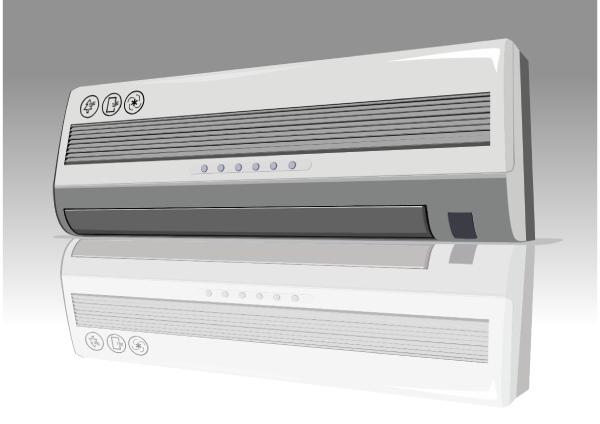
- In modern buildings, the metal is used as it contributes to energy-efficient systems (reducing carbon emission). It is very much used in sustainable constructions such as wires and cables for electrical safety, in HVAC systems for improved air quality, integration of clean energy such as solar rooftops and water heaters and various non-electrical applications like bathroom hardware, gas piping etc.

- Copper windings in transformers ensure high efficiency, reduced energy losses, and long-term reliability in power distribution systems.
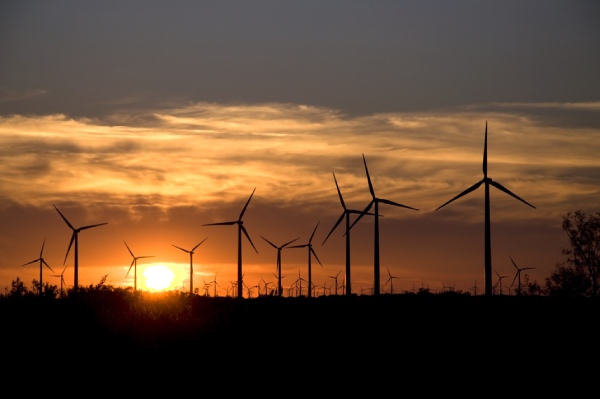
- In solar installations, the metal is used in cables bus bars. In the wind turbines, the mechanical energy is converted into electrical energy by using metal by cable.
- Copper windings in electric motorsenhance performance, reduce energy consumption, and improve thermal management. This metal has an excellent thermal conductivity and allows motors to dissipate heat more effectively, minimizing overheating and extending the motor’s operational life.
- Copper components power machinery and control systems, supporting seamless industrial operationsand energy efficiency.
- Copper’s high conductivity ensures reliable and efficient power supply for metro trains and electric transportation systems. It is essential in electric motors, signalling systems, and overhead lines, making it vital for expanding sustainable urban transit networks. The wiring and components resist corrosion and overheating, enhancing the safety and lifespan of transport infrastructure.

- Buying appliances and consumer durableswhich have copper fittings in them or retaining the old ones with the same fittings. The metal ensures that it increases the durability of the metal.
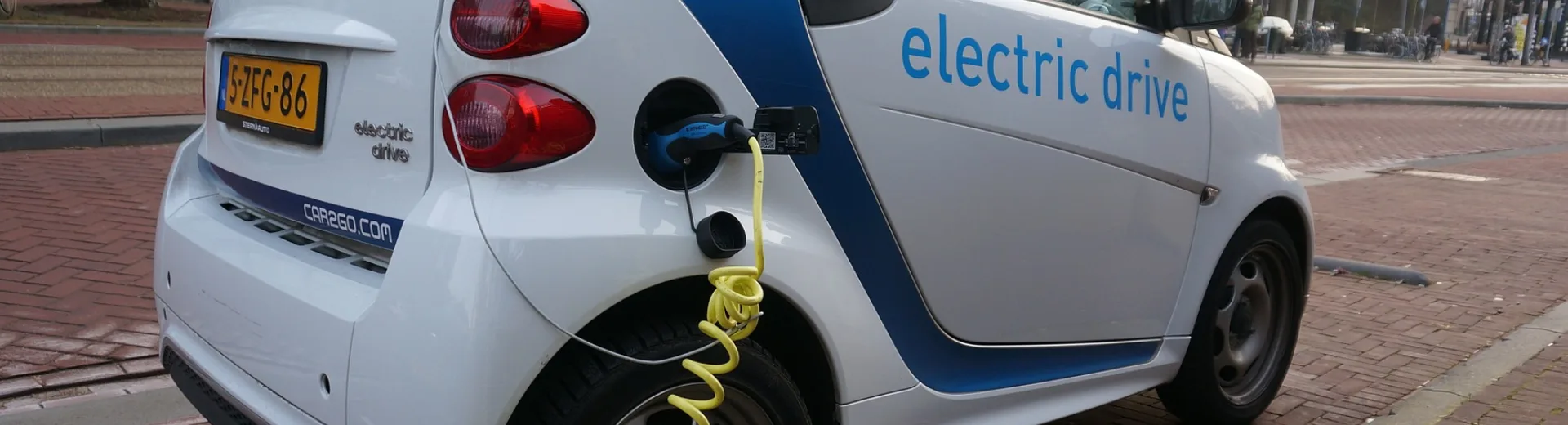
- Electric Vehicles (EVs) have been using copper in a large quantity for its motor, charging stations, batteries, wiring etc. An average EV contains approximately up to 83 kg of copper, compared to 23 kg in a conventional car. The shift of automobile owner s towards EVs ensure reduction in greenhouse gas emissions due to the usage of fossil fuels. The thermal performance ensures reliable functioning of EV components under high temperatures, especially in charging systems, motors, and inverters, reducing the risk of overheating and extending vehicle lifespan.
- Copper is used in high-speed networking and power infrastructure to enable reliable and efficient data centre. The cables are widely used for network connectivity as they support high-speed data transfer with low latency, making them cost-effective for short- to medium-distance connections.
The circularity of the metal also ensures that all the copper mined in the past couple of decades is still in use. The amazing recyclability it offers makes it an environmental favourite. Managing the ever-increasing demand of this metal is sustainable due to the
In fact, the World Environment Day gave us an opportunity to recognize copper’s role, not just as a material but as a mission-critical resource for environmental progress. A sustainable future is wired with copper — quietly powering change, one connection at a time.