

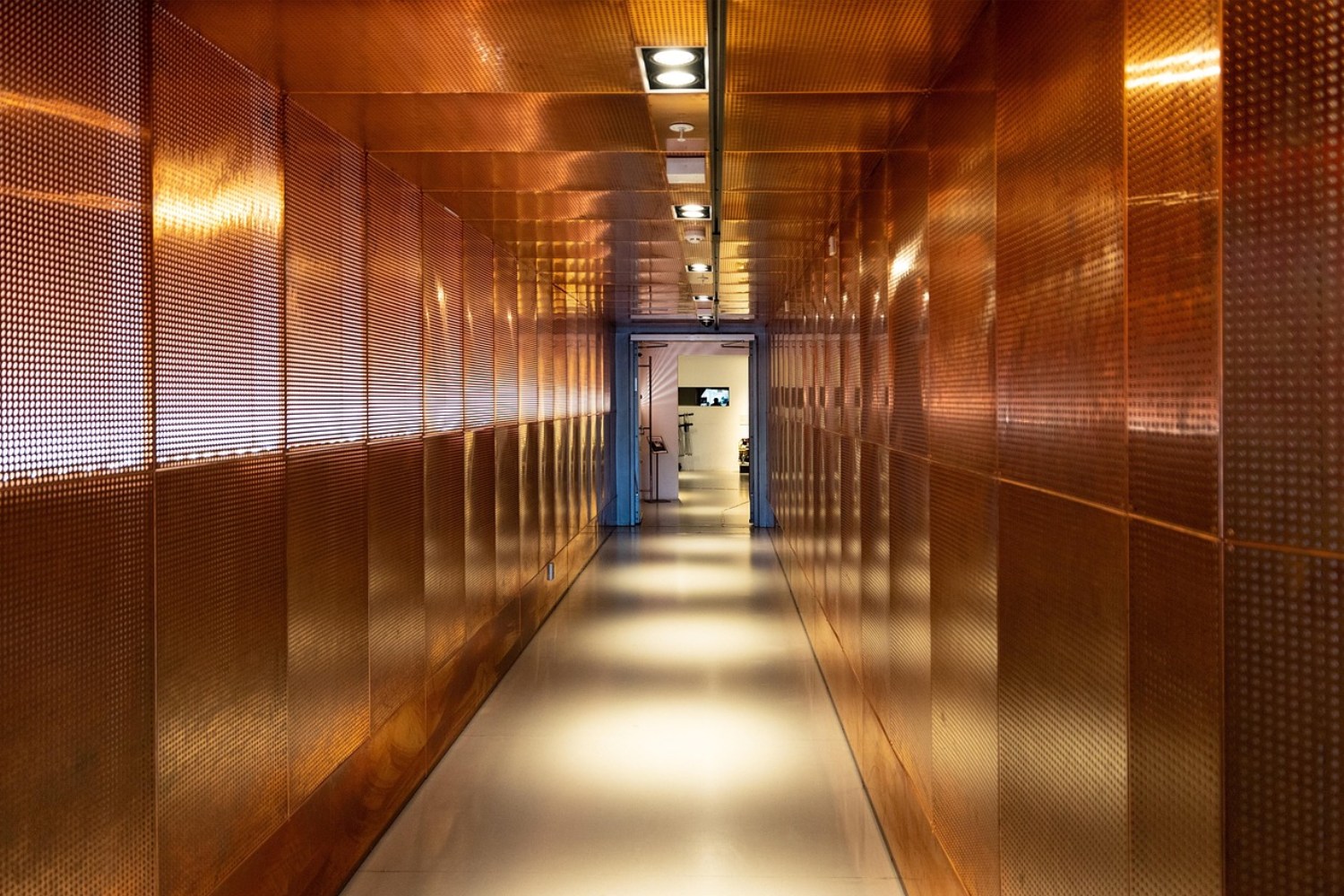
Copper: An Ideal Choice for Buildings
A few seconds of overheating. That’s all it takes. In May 2024, a gaming zone in Rajkot turned into a death trap. An electrical short circuit led to a fire that claimed 27 lives, many of them children. This wasn’t an isolated incident. Across India, electrical fires caused by faulty installations and poor-quality cables continue to rise.
And behind many of these avoidable tragedies is one common oversight: the wrong choice of wiring material.
Why Copper Isn’t Just a Good Option, It is the Right One
Much attention goes into structure, aesthetics, and energy efficiency in building construction. But what runs behind the walls, your electrical network, is often taken for granted. This is where copper quietly plays its critical role.
Copper is known for one thing above all: reliability. Its conductivity is unmatched among non-precious metals. That means more efficient power transmission, less heat, and fewer chances of overload or fire. It is also mechanically strong, corrosion-resistant, and doesn’t loosen over time, something cheaper alternatives like aluminium struggle with.
These aren’t technical details. These are why copper makes the difference between safe and unsafe electrical installations.
The Consequences of Compromise
When builders or contractors opt for low-grade or incorrect wiring, often to reduce upfront costs, the real price shows up later. In the form of:
- Electrical fires that start in hidden panels or overloaded circuits
- Voltage drops and power fluctuations that damage appliances
- Frequent maintenance and rewiring, especially in high-load environments like hospitals, malls, or office complexes
According to industry reports, over 85% of electrical fires in India are linked to substandard wiring. It’s not just about the material; it’s about cutting corners where there’s no room for error.
A Long-Term, Low-Impact, High-Return Material
Copper isn’t just about performance. It’s also one of the most sustainable building materials available today. It’s fully recyclable, and nearly 80% of all copper ever mined is still in use. In an age where construction and real estate are looking for low-carbon, circular solutions, copper fits naturally into green building strategies.
Moreover, copper reduces long-term energy loss, lowering emissions and utility costs. It’s not just safer for the user, it’s smarter for the planet.
From Codes to Common Sense
Globally and in India, regulators and building codes have consistently supported the use of copper for electrical safety. The Central Public Works Department (CPWD) and multiple Indian safety bodies recommend copper conductors across residential and commercial buildings. But more than regulations, it is becoming a matter of awareness and accountability.
Whether you’re a developer, a contractor, or a homeowner planning your next renovation, what you don’t see behind the walls can either protect or endanger everything you’ve built. The safest choice, time and again, is copper.
Choose Once, Choose Right!
Infrastructure is a long-term commitment, and some decisions shouldn’t be left to chance or budget constraints. Copper may not always be the cheapest upfront, but it is the most cost-effective over a building’s lifetime. It safeguard people, property, and peace of mind.
In today’s rapidly growing urban landscape, where energy demand is high and safety standards must rise to match, copper remains not just an ideal choice but an essential one.
References & Citations
- International Copper Association India (https://copperindia.org)
- Copper Alliance (https://copperalliance.org)
- Wire & Cable India Magazine – Safety & Standards Report (2023)
- “Rajkot Fire: 27 Dead in Game Zone Blaze”, Times of India, May 2024
- Bureau of Indian Standards – Electrical Installation Guidelines
- “Copper Critical Today, Tomorrow, and Forever” – Visual Capitalist (https://www.visualcapitalist.com/sp/copper-critical-today-tomorrow-and-forever/)
- CPWD Electrical Standards and Safety Manual (Government of India)
- Tratos Cable Academy: Copper and Sustainable Infrastructure (https://tratosgroup.com/tratos-cable-academy/copper-and-our-sustainable-future/)