Frequently Asked Questions
About ICA India
What is the International Copper Association India (ICA India)?
The International Copper Association India (ICA India) is a nonprofit organization focused on promoting the safe and efficient use of copper in India. It serves as the Indian arm (registered independently) of the global International Copper Association network, working to raise awareness about copper’s benefits for safety, health, the environment, and energy efficiency. ICA India collaborates with policymakers, industries, and other stakeholders (but is not a government body) to advance copper’s role in national development.
What is the mission of ICA India?
ICA India’s mission is to support India’s sustainable development by leveraging copper’s superior properties in critical applications. The association is committed to improving quality of life through better electrical safety, greater energy efficiency, clean energy initiatives, and sustainability programs. India’s vision for Amrit Kaal 2047 outlines a roadmap to becoming a developed nation, and ICA India’s work aligns with this goal by promoting sustainable, copper-based solutions.
ICA India works to ensure copper contributes fully to a modern, greener economy and the clean energy transition.
Which sectors and focus areas does ICA India work in?
ICA India works across multiple sectors where copper is essential. Key focus areas include Safety & Reliability in Building Construction, Power Infrastructure and Industries (promoting reliable copper cables and transformers for efficient & safe electrical installations), Energy-Efficient Equipment & Appliances (like high-energy efficient motors, HVAC, fans, and consumer appliances with copper windings and tubes), Renewable Energy Technologies (supporting use of copper in solar and wind installations), and Electric Vehicles (EVs) & Charging Infrastructure. The association’s initiatives target safe electrical installations, reliable transformers and cables, high-efficiency motors, durable appliances and other applications where copper can enhance safety, reliability and efficiency.
How does copper contribute to the Indian economy?
Copper is the backbone of industrial growth in India. It is used in many industries from power generation to construction to electronics, transport, and clean energy. This broad usage means copper directly employs nearly one hundred thousand people in India (from mining to manufacturing) and supports another one hundred thousand jobs indirectly. By enabling critical products like electrical equipment, appliances, vehicles, and infrastructure, copper significantly contributes to economic development. Growing demand for copper in India’s industrial and clean energy sectors underscores its importance in the economy.
How is copper a critical metal for infrastructure and development?
Copper is widely regarded as a critical metal for modern infrastructure due to its essential role in electrification and connectivity. In India, copper is vital for sectors like building construction, power infrastructure, renewables, manufacturing, , defense and transportation, – all pillars of economic development. From national power grids and telecommunications to railways and smart cities, copper provides the reliable electrical conductivity that these systems require. In fact, the Indian government has identified copper as one of 30 critical minerals for the country, recognizing that India’s ambitious development projects and clean energy transition cannot progress without copper’s indispensable contributions.
What initiatives and programs does ICA India undertake?
ICA India runs various initiatives to educate and engage stakeholders about copper. It serves as a knowledge hub, producing copper messages through guidelines, publications, conducting and co-hosting seminars, workshops, and training programs across the country. These programs cover best practices in electrical safety (e.g. proper cabling and wiring practices), promotion of energy-efficient technologies (like high-efficient motors and efficient transformers), and awareness campaigns for renewable energy and EV charging. ICA India also partners with industry experts and government bodies to develop national standards and policies, acting as a bridge between the copper industry and policymakers to drive sustainable solutions. All resources and insights from ICA India’s initiatives are shared freely to help professionals and consumers make informed, safe, and sustainable choices.
Is ICA India a government or industry body?
ICA India is not a government agency – it is a nonprofit industry-supported body registered in India. It operates independently, although it collaborates closely with government departments, regulators, and standards organizations as a knowledge partner. ICA India is an impartial entity which focuses on advocacy and education rather than commercial interests. Its role is to inform and educate various stakeholders (policy makers, businesses, researchers) on a common platform to champion issues critical to copper and national development, in an unbiased and nonprofit manner.
Copper and Its Applications
Why is copper important for electric vehicles (EVs)?
Copper is crucial for EVs because it is used extensively in their electrical systems. An electric vehicle contains much more copper than a conventional car – for example, a typical Indian EV can use up to 60 kg of copper, which is about six times the copper in a typical petrol/diesel car. This is due to copper’s role in electric motors, battery connections, inverters, and the miles of wiring that an EV requires. Copper’s excellent electrical conductivity ensures efficient power delivery from the battery to the motors, improving performance and charging. Additionally, copper is used in EV charging stations and infrastructure, enabling faster charging and reliable energy transfer. In short, without copper’s high conductivity and durability, modern EVs and their charging networks would not be as efficient or reliable.
What role does copper play in renewable energy (solar and wind)?
Copper is a key enabler of renewable energy technologies like solar panels and wind turbines. Its high electrical conductivity and resistance to corrosion make it ideal for use in solar photovoltaic (PV) installations, where it’s used in cabling, connectors, transformers and inverters to efficiently conduct electricity from solar cells. Copper is also used in solar thermal systems (heat exchangers) and in the cables that transmit solar power. In wind energy, each turbine uses a large amount of copper in its generators, grounding wires, and power cables – a single 3 MW wind turbine can contain roughly 4.7 tons of copper (Link for the more info). This heavy usage is because copper ensures efficient transmission of the electricity generated by turbine blades over long distances with minimal loss. Copper plays a vital role in solar and wind systems by ensuring efficient power generation and reliable energy transmission, making it essential to India’s clean energy transition. In fact, as India expands solar farms and wind parks for a sustainable future, copper demand is expected to rise significantly to build out these green energy systems.
Is copper a sustainable and recyclable metal?
Yes. Copper is one of the most sustainable metals because it is 100% recyclable without any loss of performance. This means that copper from old cables & wires, pipes, or electronics can be melted and reused indefinitely to make new products, with no degradation in quality. Recycling copper saves energy and reduces the need for mining new ore – reusing copper requires far less energy than producing primary copper, which in turn cuts greenhouse gas emissions. By being endlessly recyclable and an integral part of renewable energy and energy-efficient technologies, copper supports a circular economy and contributes to sustainability goals.
Why is copper preferred for electrical wiring and electronics?
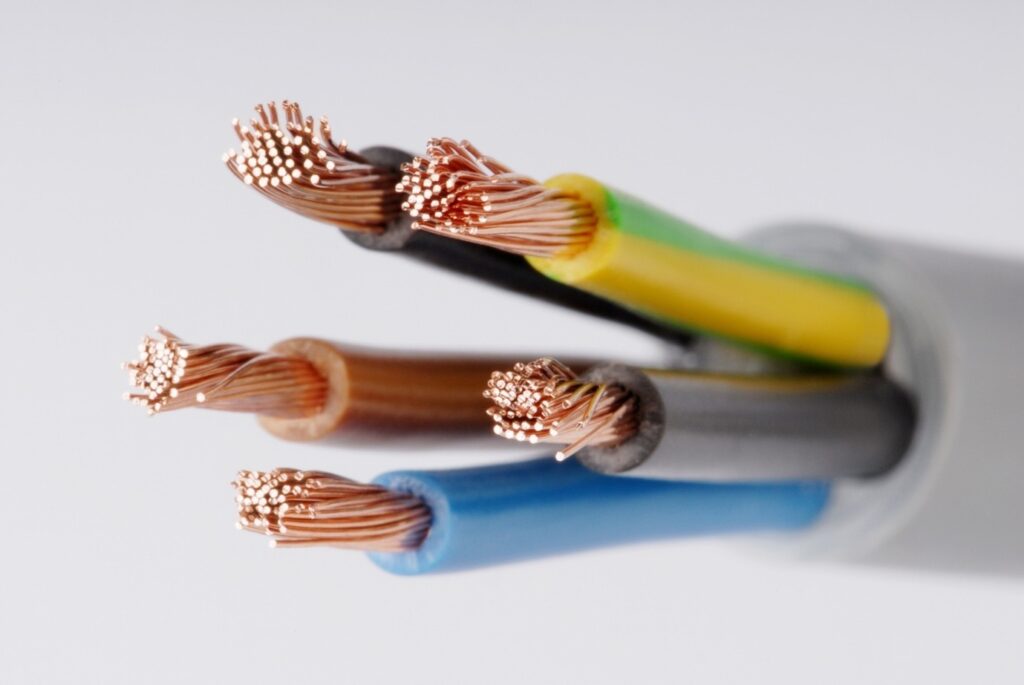
Copper is the preferred material for electrical wiring, cables, and electronic components because of its exceptional electrical conductivity and reliability. It has the highest electrical conductivity of any common metal after silver, allowing it to carry more current with less resistance. In practical terms, copper wires transmit electricity efficiently with minimal energy loss and heating, which improves safety and saves power. Copper is also ductile (easily drawn into wires) and resistant to corrosion, ensuring that connections remain intact over decades. These qualities make copper wiring more durable and fire-safe compared to alternatives. From household wiring and power distribution cables to the tiny circuitry in electronics, copper’s superior conductivity and robustness make it essential for high-performance, safe electrical systems.
How does using copper improve energy efficiency in equipment?
Copper’s superior conductive properties directly translate to higher energy efficiency in many devices and machines. For instance, electric motors and transformers built with copper components experience lower resistive losses and run cooler and more efficiently. Replacing an aluminum motor rotor with a copper rotor can significantly boost an electric motor’s efficiency, because copper’s lower electrical resistance cuts energy loss in the rotor windings. This means appliances like fans, pumps, or industrial motors that use copper (in windings, rotors, or coils) consume less electricity for the same output. Similarly, copper conductors in power transformers reduce waste heat and improve the transformer’s efficiency. By minimizing energy losses in electrical systems, the use of copper helps save power and reduces operational costs. In essence, choosing copper in the design of electrical equipment is an easy way to achieve better energy efficiency and contribute to energy savings.
Is copper demand in India growing, and why?
Yes, India’s copper demand is on a strong growth trajectory. According to recent industry data, total copper consumption in India rose by around 9.3% year-on-year to approximately 1,878 kilo-tonnes in FY25, up from about 1,718 kilo-tonnes in FY24, driven by robust demand across construction, infrastructure, renewable energy, and consumer goods sectors. This growth reflects India’s large-scale investments in power grids, rail electrification, solar and wind energy projects, and expansion of housing and industrial capacity. Forecasts suggest demand could reach roughly 3–3.3 million tonnes by 2030, underscoring copper’s critical role in supporting rapid economic development and the clean-energy transition.