

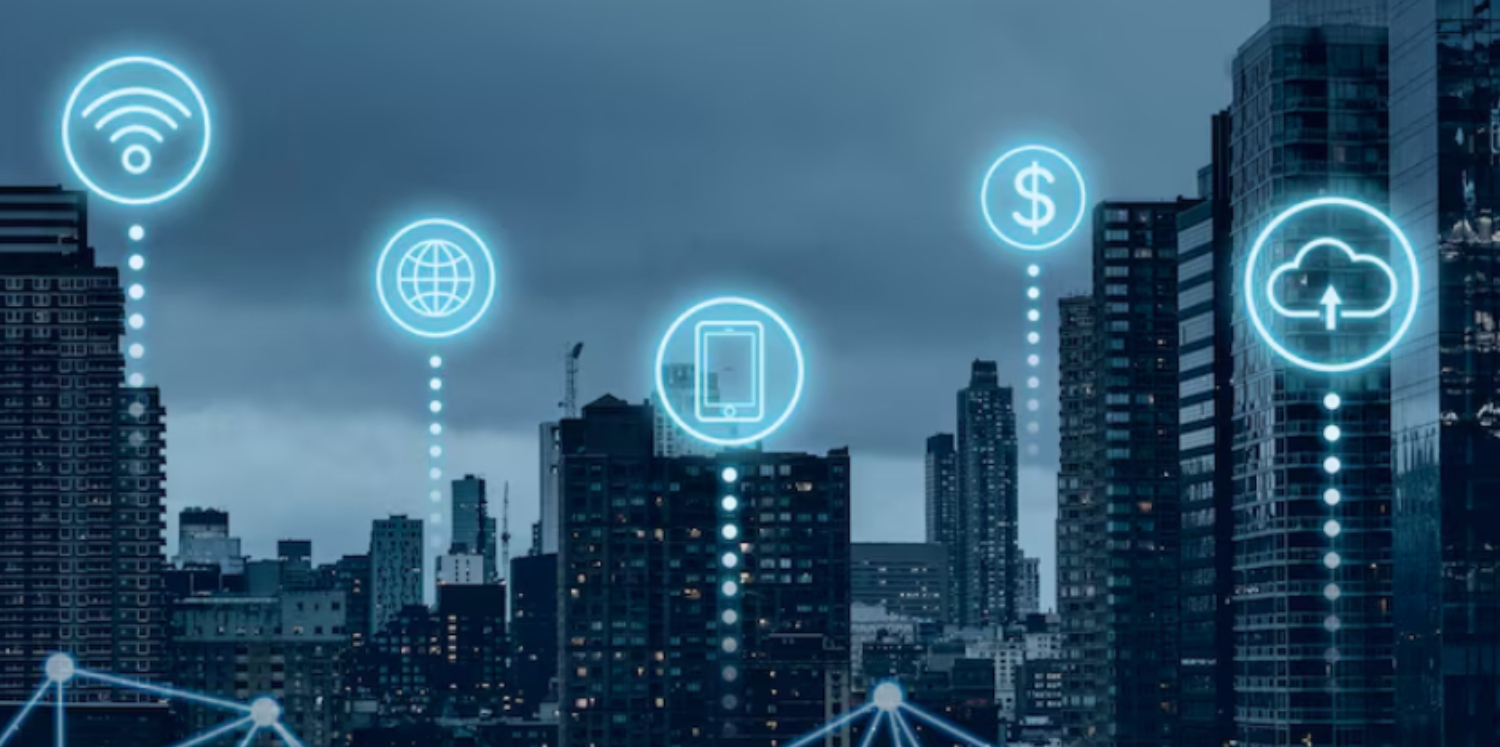
The Secret Ingredient: Copper in the Age of AI, IoT & 5G
In the era of digital transformation, while Copper is used as an integral component in several devices, it has found itself to be a catalyst of change in modern times. Let us find the ways in which copper is aiding this technological revolution.
As the world races towards Artificial Intelligence (AI), Internet of Things (IoT) {a system of devices that transfer the data over a network}, 5G connectivity, conversations often orbit around software breakthroughs, data science, cloud computing and silicon chips. However, there is a metal, which acts as a catalyst of this technological advancement and quietly powers it all and that is Copper
A versatile metal with exceptional electrical conductivity, durability and versatility, copper has become an indispensable component in building the infrastructure required to fuel our intelligent and interconnected future.
The Foundation of Intelligence: Copper in AI
Artificial Intelligence is very data-intensive. The models that drive machine learning, computer vision and natural language processing require energy-efficient data centres. From supercomputers to servers, copper is central to the hardware running AI. There are speculations that the rate at which AI is making its presence felt in every sphere, even the soaring demand and supply, may not be enough to fulfil its ever-expanding needs.
Data Centres and High-Performance Computing
Data centres, which are mushrooming in India now, store and process the enormous amount of data used in AI. They are copper-heavy zones. Apart from this, copper cabling is used extensively in power distribution units (PDUs), busbars and grounding systems, cooling systems, network connections and high-speed data transfer cables.
Due to its low electrical resistance and excellent thermal performance, copper reduces energy loss and prevents overheating crucial in environments where servers run 24/7.
Smart AI Devices
Consumer products, which are powered by AI, like smart speakers, smart refrigerators, drones, industrial robots and autonomous vehicles, have intricate wiring and components that are made of copper. Whether it is the internal battery, motor windings or embedded processors, copper is essential for safe, stable and efficient performance.
A system with copper ensures reliability and safety. People also focus on how environmentally compatible the products are that they use. Due to its excellent properties, the use of this ‘green metal’ is very much prevalent in such efficient and smart environment. The consumer trend of purchasing smart AI devices has skyrocketed since 2020, and it just doesn’t seem to stop.
The Internet of Things (IoT): Copper Connects the Dots
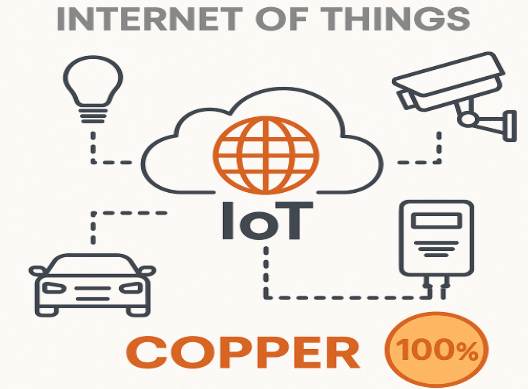
IoT is truly transforming industries, cities and homes by embedding sensors, processors and wireless technologies into everyday objects. Right from smart homes, wearables fitness trackers, industrial automation and predictive maintenance in factories, the metal plays a pivotal role in making these systems possible.
1. Sensor Networks and Wiring
These IoT-enabled devices require a reliable and energy-efficient connection. Copper wiring ensures seamless data and power transmission across sensor networks, especially in industrial or large commercial environments where a wireless system alone is not reliable.
2. Edge Computing
In edge computing, where data is processed closer to its source, it means setting up more micro data centres, routers and edge devices. These units primarily depend on copper for their internal connections and powerful cabling components.
3. Energy and Charging Systems
The metal is commonly used in efficient energy harvesting systems, battery storage, wireless charging coils and energy-efficient grid connections. With more connected devices entering the grid, the metal’s role in maintaining reliability becomes even more critical.
Copper and 5G Revolution
Be it the domestic or the global scenario, the fibre optics play a superior role in the 5G system. The truth is that copper not only complements but also enables the high-speed rollout in many key areas.
1. Last-Mile Connectivity:
In semi-urban and rural areas in the country, existing and in-use copper-based infrastructure is either being repurposed or upgraded to support 5G and high-speed internet facilities. These standards extend the life and capability of copper lines, enabling faster deployments at lower costs.
2. Powering 5G Towers:
A reliable power supply is the one of the most primary needs of a 5G tower. This helps them manage the increasing load. It is here that the metal comes to use in power cables, transformer windings and backup generators.
3. Electromagnetic Shielding:
With denser signal environments, copper’s excellent shielding properties make it the material of choice for protecting devices and circuits from electromagnetic interference.

A Need for Copper in India’s Digital Infrastructure
India’s far-sighted programs like Digital India, Smart Cities Mission and BharatNet are driving the deployment of AI, IoT, and 5G solutions at lightning speed. This digital infrastructure boom is fuelling demand for copper across several sectors like telecom, energy, construction and manufacturing.
As per industry reports, the country’s per capita copper consumption remains far below the global average. However, with the convergence of digitalisation, urbanisation and sustainability goals, this figure is projected to rise significantly.