You wouldn’t risk your entire building just to save 1-2% cost, would you?
The cables inside your building matter more than you think.
Download the full report to uncover the real impact of your cabling choice.
An average of 17 people die every day in India due to electrocution or electrical short circuit.
A field study of buildings across India's fastest-growing cities found that cable choice directly impacts safety, maintenance, and long-term costs.
23% Loose Connections
Implication: Loose connections and overcrowded wiring increase overheating and arcing risks, leading to potential electrical fires
23% Physical damage
Implication: Higher Maintenance and Downtime Costs
25% Aging systems and current carrying capacity
Implication: Ageing infrastructure and thermal stress degrade components faster, demanding frequent replacements
8% Uneven current distribution and Inadequate professional guidance
Implication: Uneven current distribution leads to imbalanced loads, overheating, and unreliable power supply
20% Overcrowded wiring and space limitations
Implication: Poor installation practices and lack of guidance may breach electrical codes, risking legal penalties and liability
Electrical professionals’ survey highlights safety concerns
“You bend aluminium once and pray it's correct. Bend it back and it may break.”
Facility Manager, Aluminium-Cabled Building, Gujarat
“Aluminium expands and contracts more than copper. Over time, joints get loose and spark. That's the most common issue I see.”
Electrical Engineer, Site Inspection
Copper’s Strength Makes Electrical Systems Safer
- Electrical Properties
- Physical Properties
- Thermography Imaging
- Copper provides more stable voltage, which is important for sensitive and high-performance electrical systems.
- The electrical flow in copper is about 3.8% smoother than aluminium, allowing more efficient current transmission.
- Using copper conductors can increase the overall life of the electrical installation by around 2% due to lower resistance and stable performance.
Copper’s physical characteristics make it safer, more reliable, and space-efficient compared to aluminium.
Aluminium wiring becomes more risky when installation quality or craftsmanship is poor, increasing chances of loose connections and overheating.
If Cu conductor is replaced with Aluminium conductor:
- Conductor diameter decreases by 25%
- Bending radius decreases by 20%
- Size of Conductor decreases by 1.5 times
Copper cables show significantly lower heat buildup during operation compared to aluminium. Resulting in:
- Lower maintenance requirements
- Higher durability of electrical systems
- Better long-term electrical performance
What our eyes don’t see…
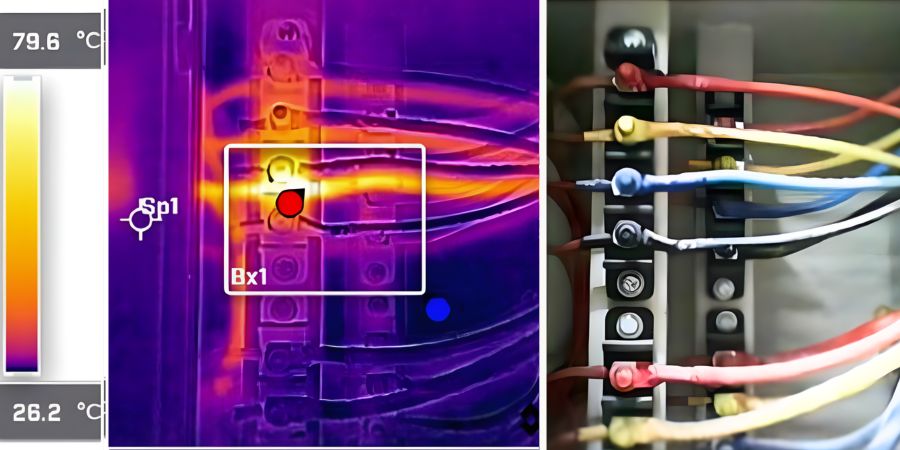
More Load. Same Infrastructure. Powered by Copper Cable
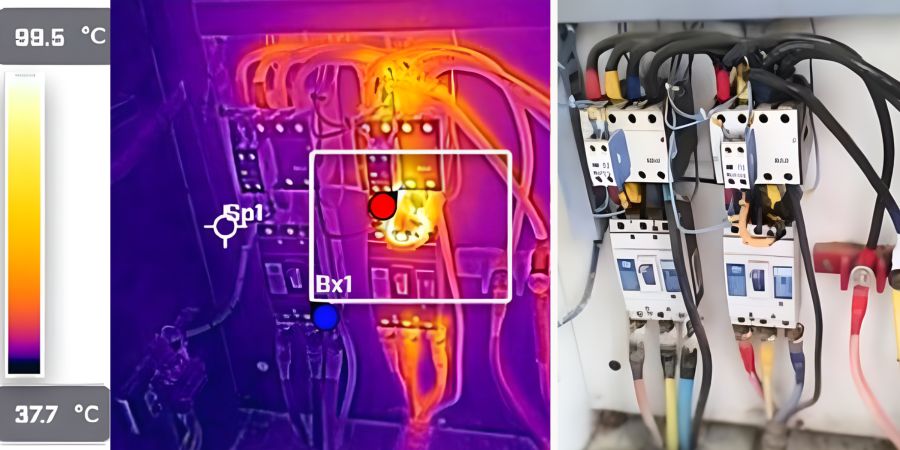
Power Demand Rises, Aluminium Cable Becomes the Weak Link
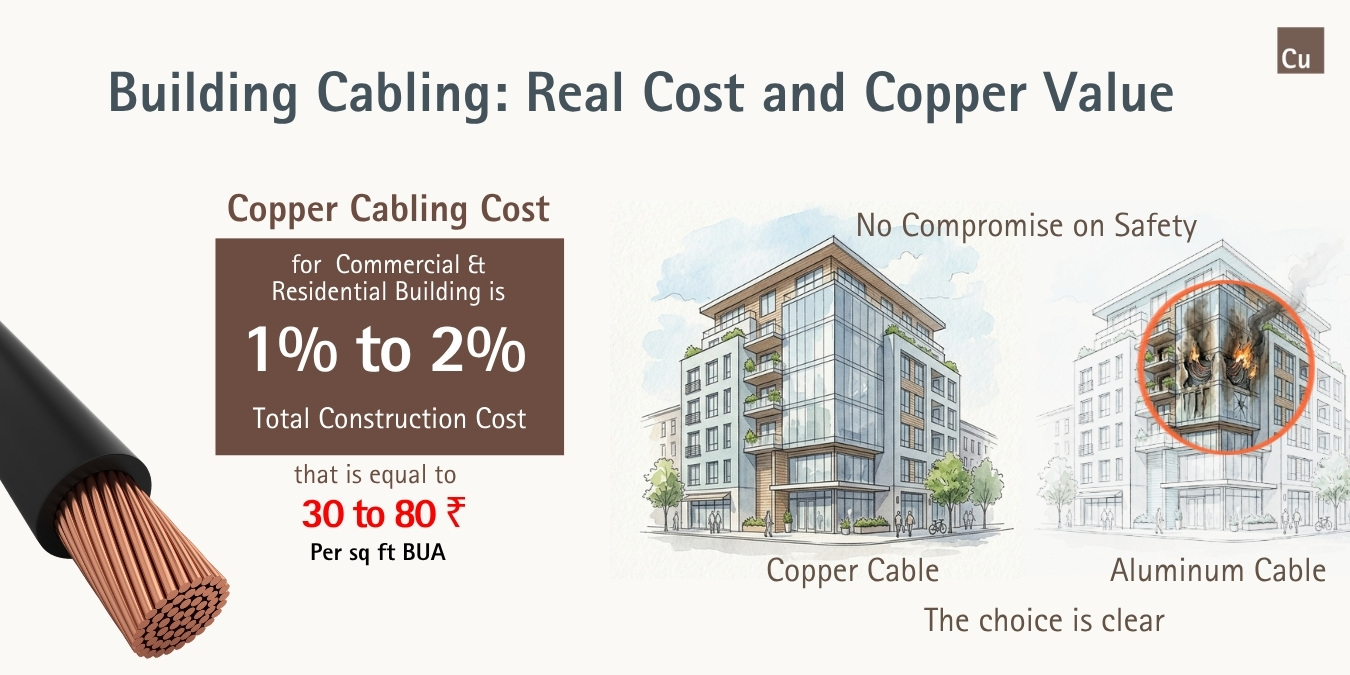

Copper Cable
V/S
Aluminium Cable

Electrical performance
Copper Cable
Lower energy loss
Aluminium Cables
Higher heat generation
Mechanical strength
Copper Cable
Withstands installation stress
Aluminium Cables
Prone to damage
Ductility
Copper Cable
Bends without cracking
Aluminium Cables
Cracks under repeated bending
Thermal imaging
Copper Cable
Even heat distribution
Aluminium Cables
Hotspots found
Connection stability
Copper Cable
Stays tight for decades
Aluminium Cables
Requires periodic re-tightening
Code compliance
Copper Cable
Preferred for safety-critical
Aluminium Cables
Under increasing scrutiny
Oxidation resistance
Copper Cable
Minimal resistance increase
Aluminium Cables
Oxide buildup creates heat
Maintenance frequency
Copper Cable
Minimal
Aluminium Cables
Frequent maintenance especially in summer
| Cables Parameter | Copper Cables | Aluminium Cables |
|---|---|---|
| Electrical performance | Lower energy loss | Higher heat generation |
| Mechanical strength | Withstands installation stress | Prone to damage |
| Ductility | Bends without cracking | Cracks under repeated bending |
| Oxidation resistance | Minimal resistance increase | Oxide buildup creates heat |
| Connection stability | Stays tight for decades | Requires periodic re-tightening |
| Maintenance frequency | Minimal | Frequent—especially in summer |
| Thermal imaging | Even heat distribution | Hotspots found |
| Code compliance | Preferred for safety-critical | Under increasing scrutiny |
IS 694
PVC insulated cables for household Cabling
IS 1554
PVC insulated cables for heavy-duty applications
Bureau of Indian Standard
National Building Code (NBC) 2016
CPWD 2023
Mandates 100% copper Class 2 for all government projects
India's leading industry experts talk about how Copper in technology can effect sustainable change.
No Shortcuts to Electrical Safety
Copper in the clean energy transition
Copper as the superior material for a sustainable future
Copper is the future
Download the full report to uncover the real impact of your cabling choice.
Resources
- Videos
- Webinar
- Article
- White Paper
- Infographics
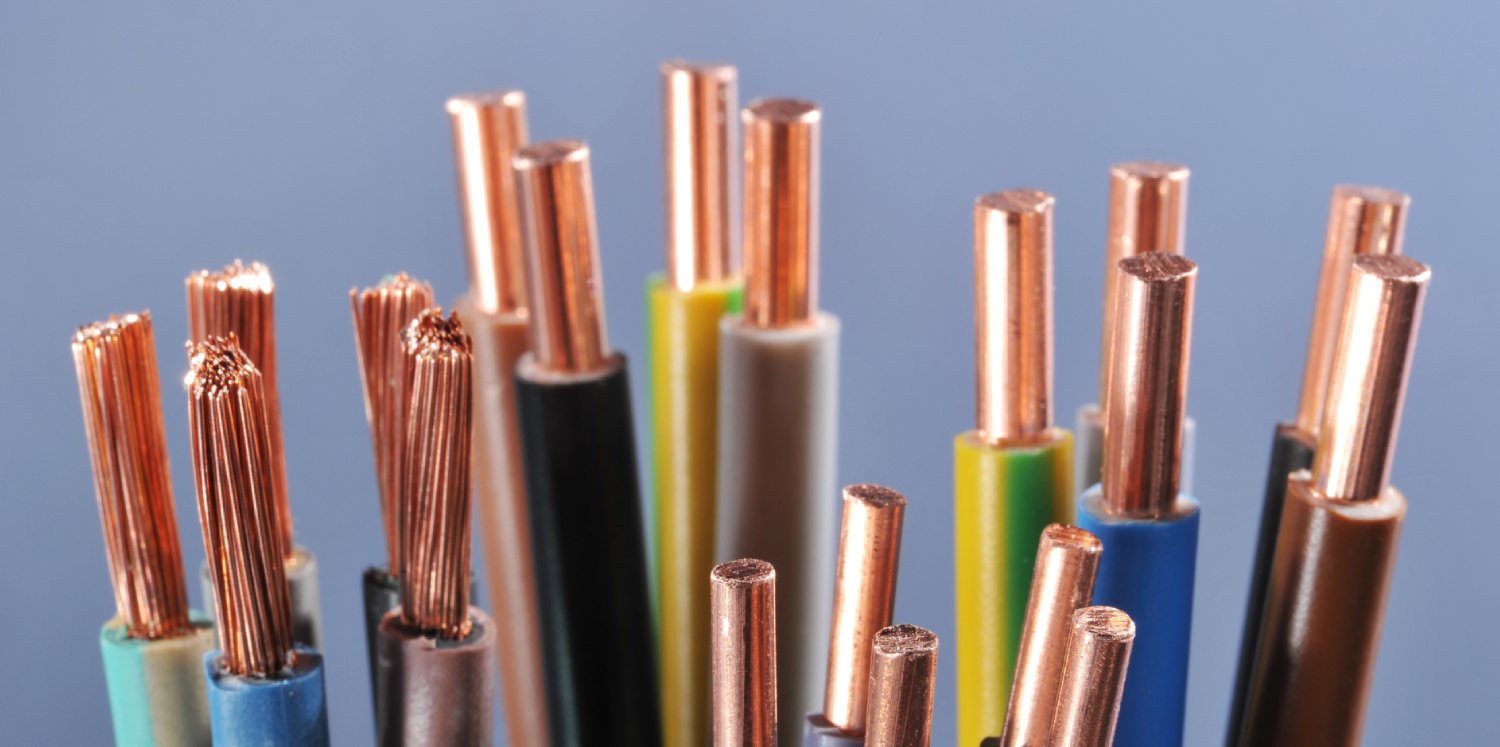
Frequently Asked Questions
For building wiring, the primary standards are IS 694 for household cables and IS 1554 for heavy-duty applications. These standards, referenced in the National Building Code, mandate conductor purity and safety tests. The recent CPWD 2023 specification further strengthens this by mandating 100% copper with Class 2 conductors for all government projects, setting a benchmark for the industry.
Always look for the ISI (BIS) mark on the cable insulation. Purchase from reputable manufacturers and insist on batch test certificates from your supplier. Be wary of “copper-clad aluminum” (CCA) or alloys that try to pass as pure copper—a simple scrape test can reveal the silver-colored aluminum underneath.
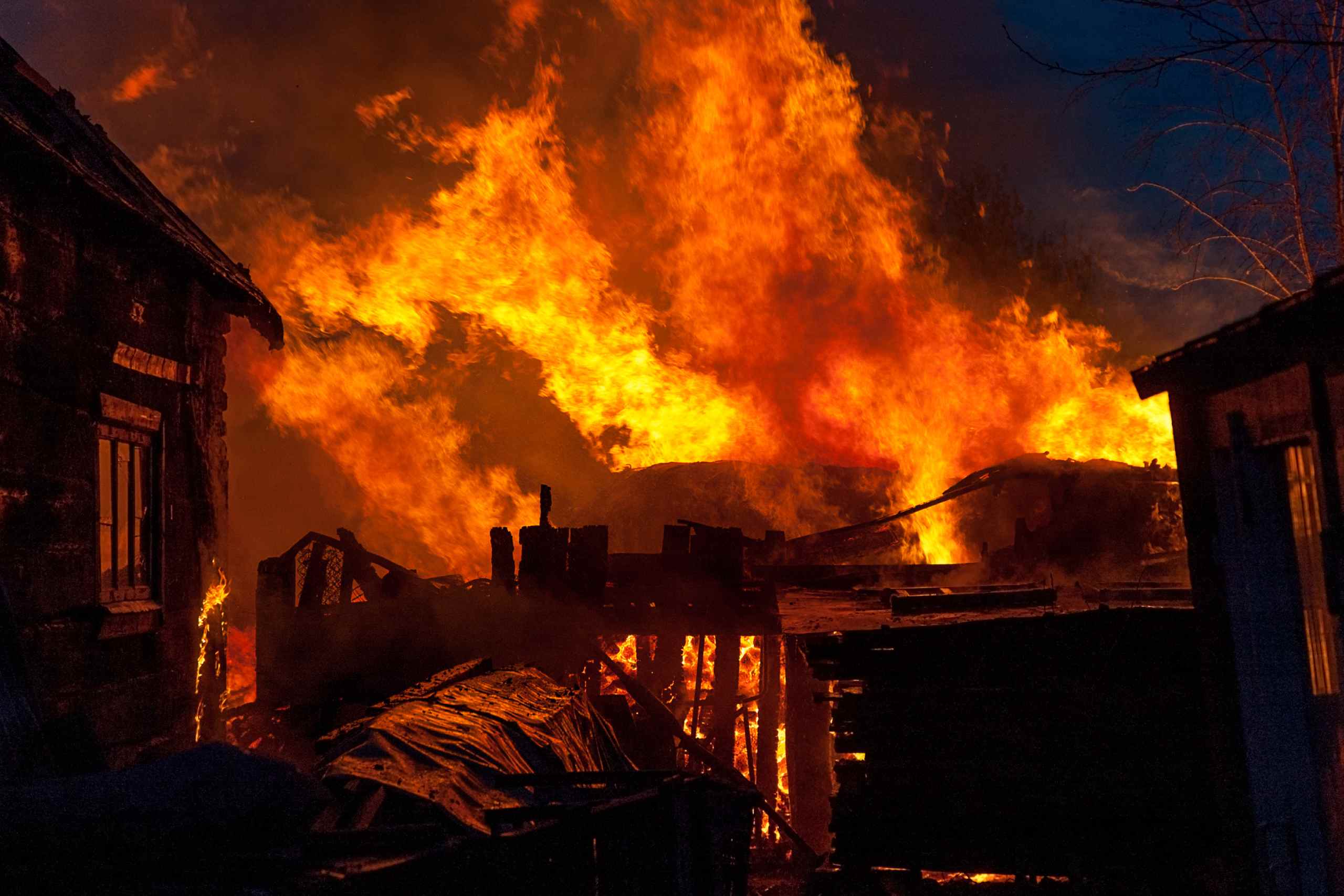
The primary risks are overheating, connection failure, and fire. Aluminum has higher electrical resistance (generating more heat) and a higher coefficient of thermal expansion, causing connections to loosen over time. This leads to arcing a major fire cause. CCA (Copper-Clad Aluminum) combines the visual deception of copper with the internal risks of aluminum. Our detailed blog, “The True Cost of Cutting Corners,” provides a full technical comparison.
While aluminum has a lower upfront cost, it is not cost-effective over a building’s life. The “savings” are often lost to higher energy losses, frequent maintenance, and a significantly shorter lifespan. More importantly, the potential cost of a single electrical fire financially, legally, and in terms of human life far outweighs any initial material savings. This is an investment in risk prevention, not just a material purchase.
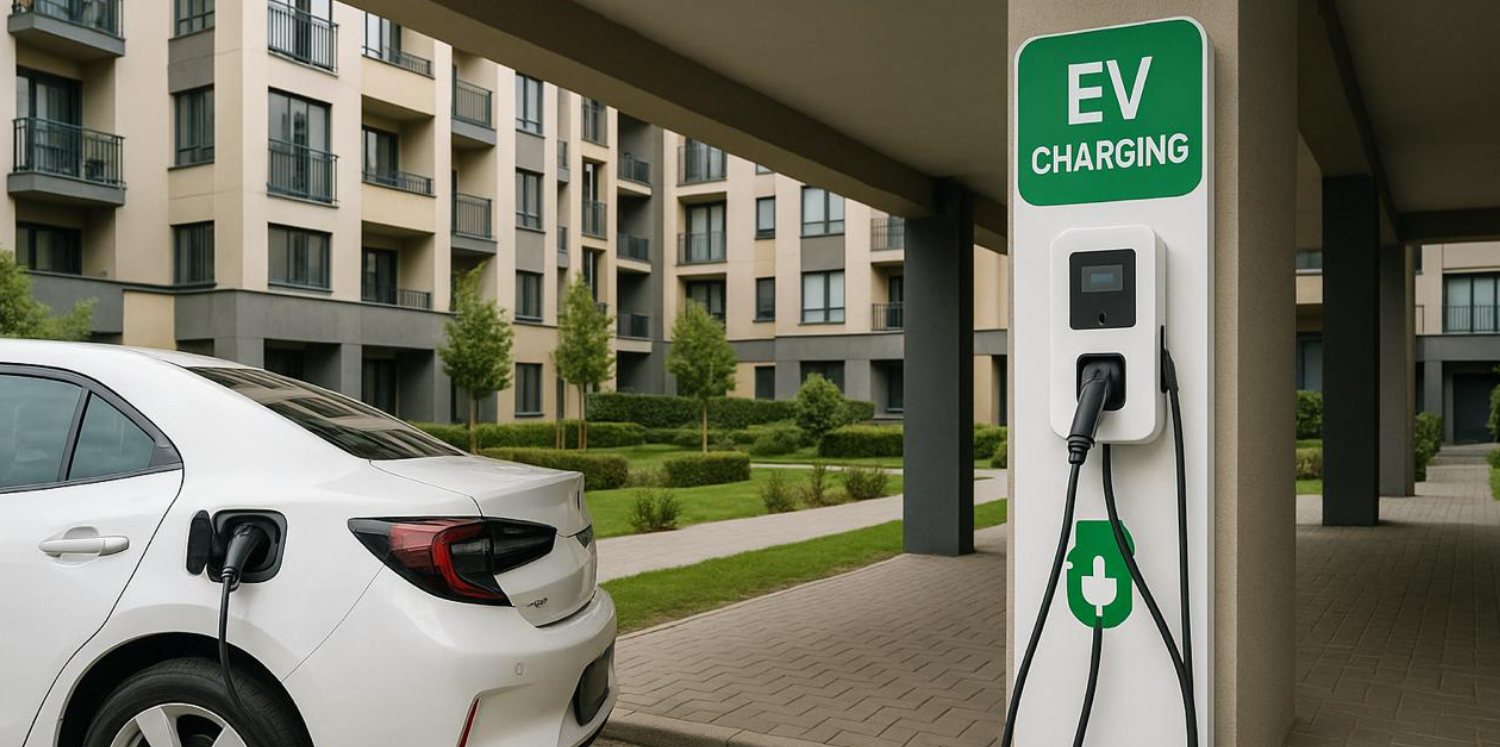
Absolutely. Copper is one of the original green materials. It is infinitely recyclable with no loss of performance, supporting a true circular economy. Its use in energy-efficient applications from EV motors to high-efficiency transformers enables massive lifetime carbon savings that far outweigh the emissions from its production. It is not just a material; it’s a climate solution.
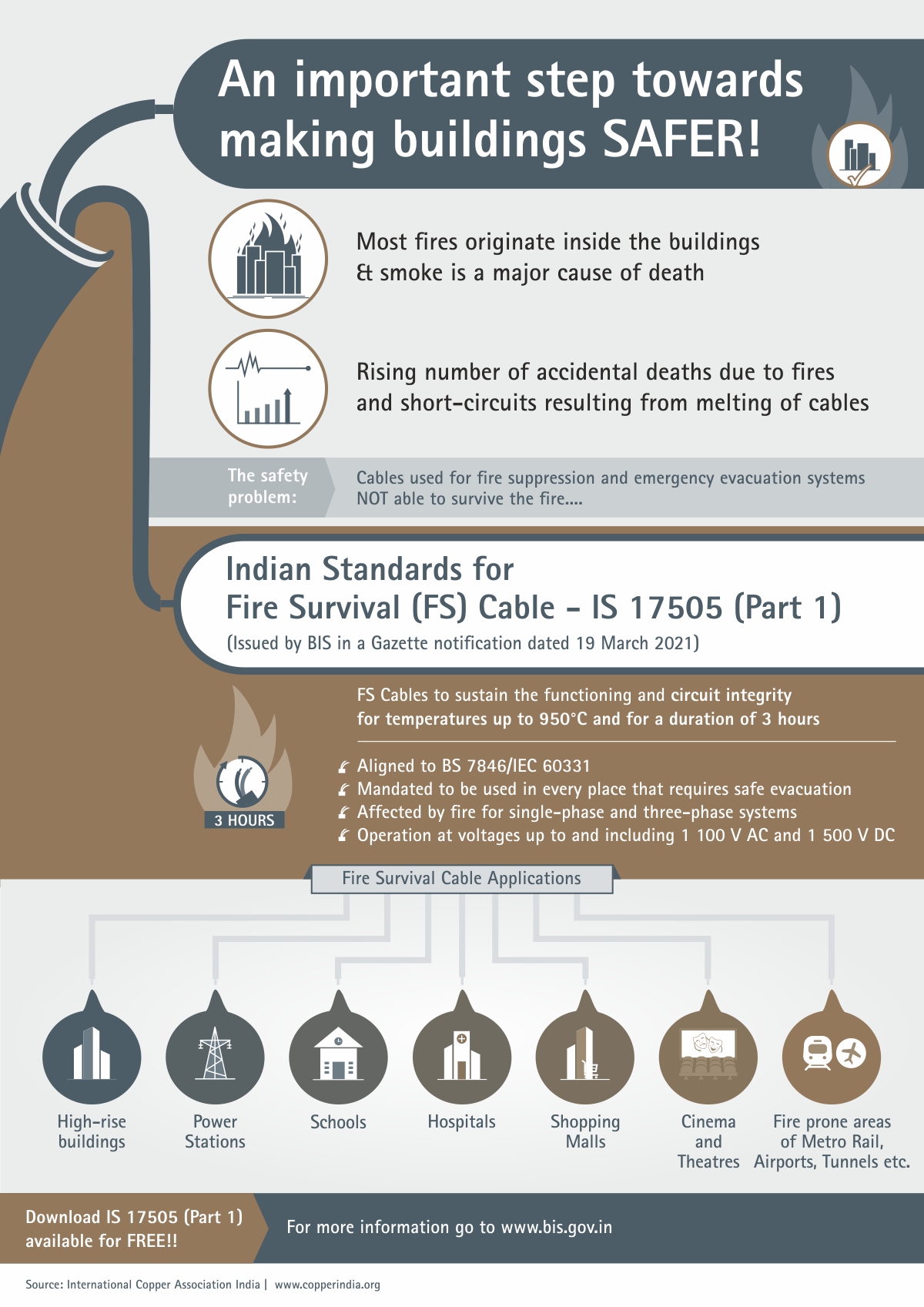
For critical areas, safety cannot be compromised. We strongly recommend specifying 100% copper cables and copper bus ducts. Copper’s thermal stability and fire resistance are vital in vertical risers to prevent fire spread (as seen in incidents like the Times Tower fire). For detailed guidance, refer to our white paper on “Identifying Gaps and Needs to Enhance Fire Safety in India.”
Follow Us
Copper drives economic, societal and environmental progress. Follow us to learn more.
Don’t let a small line item decide your biggest risk
Download the full report to uncover the real impact of your cabling choice. Build safer, more trusted projects with 100% copper cables.